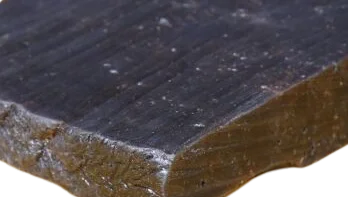
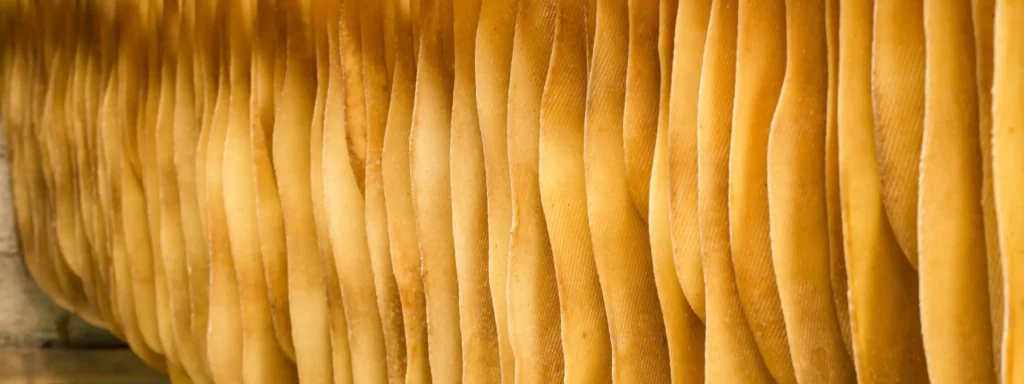
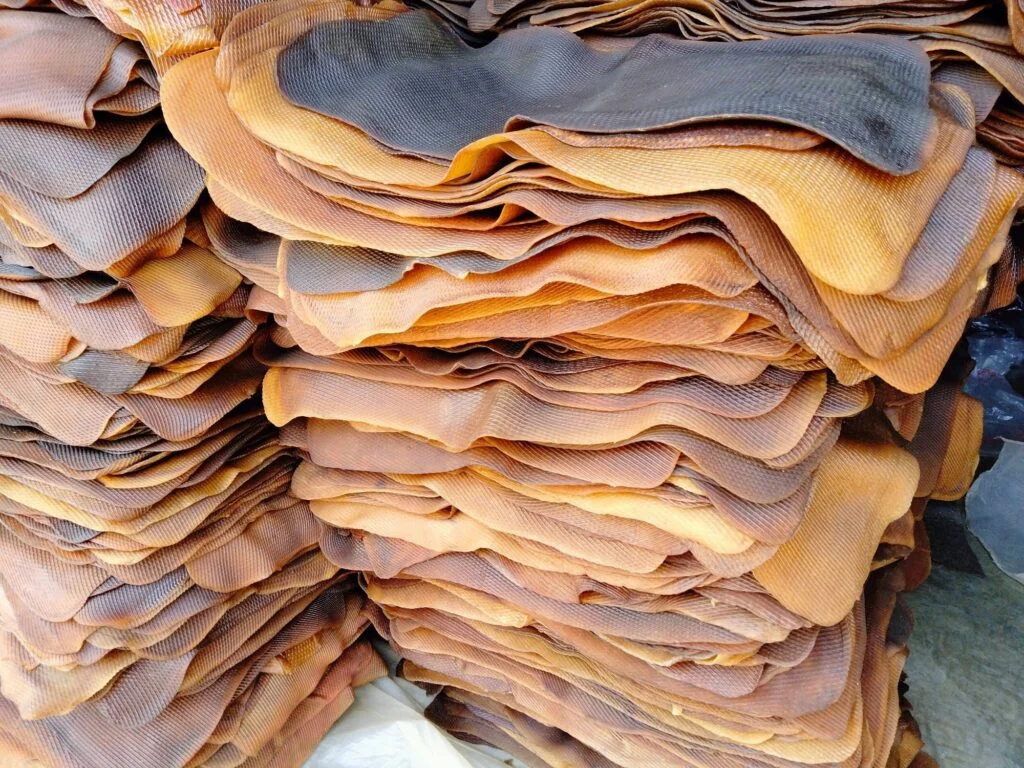
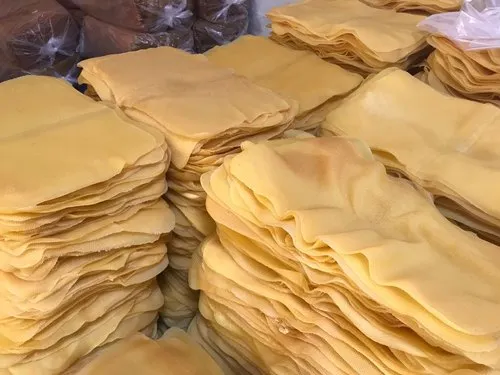
TSR 10, recognized as Technically Specified Rubber 10, adheres to stringent grading based on exact technical parameters. These parameters involve aspects such as dirt content, ash content, nitrogen content, volatile matter, Wallace Plasticity (PO), and its Plasticity Retention Index (PRI).
Rubber-producing nations maintain their own TSR standards in alignment with the international ISO standard. For example, Thailand adopts the STR designation, while Indonesia and Malaysia use the SIR and SMR designations, respectively.
Distinguished by its precise production standards, TSR 10 offers consistent quality, making it a dependable choice for industries and manufacturers. The properties of TSR 10 closely align with those of RSS-3. However, there are specific advantages TSR 10 holds over RSS grades.
Benefits of TSR 10:
- Lower Viscosity: TSR 10 possesses a reduced viscosity level compared to some other rubber grades, which can be critical for certain manufacturing processes and applications.
- Enhanced Mixing Characteristics: With a slightly more rapid breakdown, TSR 10 facilitates a more streamlined mixing process, leading to increased efficiency in production.
- Technically Specified: Unlike RSS which is visually graded (i.e. has no mandatorily stipulated technical specifications), TSR 10 is technically specified.
For comparisons and alternative options, you might consider exploring other grades such as TSR 20 and TSR 10 CV.
Applications of TSR 10:
- Tyres: The reliable properties of TSR 10, combined with its lower viscosity, make it suitable for the production of durable tyres.
- Inner-tubes: Given its specific technical attributes and consistent quality, TSR 10 is a preferred material for inner-tubes.
- Conveyor Belts: TSR 10’s efficient mixing and strength characteristics are ideal for producing industrial conveyor belts.
- Footwear: The durability and flexibility inherent to TSR 10 ensure the production of quality footwear.
Technically Specified Rubber (TSR-10) – Specifications
| SE. No |
Parameters |
Unit |
Min |
Max |
| 1 |
Dirt Content |
%(w/w) |
— |
0.1 |
| 2 |
Ash Content |
%(w/w) |
— |
0.75 |
| 3 |
Volatile Matter Content |
%(w/w) |
— |
0.8 |
| 4 |
Nitrogen Content |
%(w/w) |
— |
0.6 |
| 5 |
Plasticity No |
%(w/w) |
30 |
— |
| 6 |
Plasticity Retention Index |
%(w/w) |
50 |
— |
| 7 |
Mooney Viscosity |
%(w/w) |
65 |
83 |
| 8 |
Appearance |
Dark Brown Block |
|
|
| 9 |
Suggested Application |
Tyre & Tread Rubber |
|
|
Notes:
- Packing: 35 kg polyethylene cover (other packing modes available on request)
- These are general specifications; material can be supplied per specific customer requirements