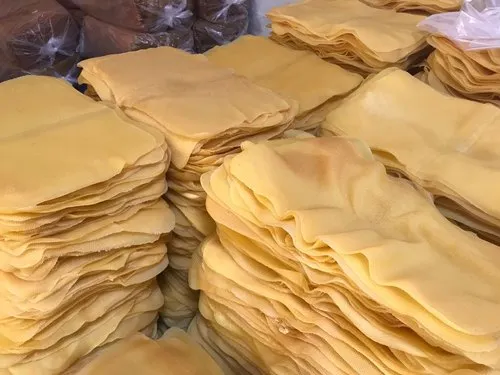
Raw, Unprocessed Natural Rubber for Industrial Processing
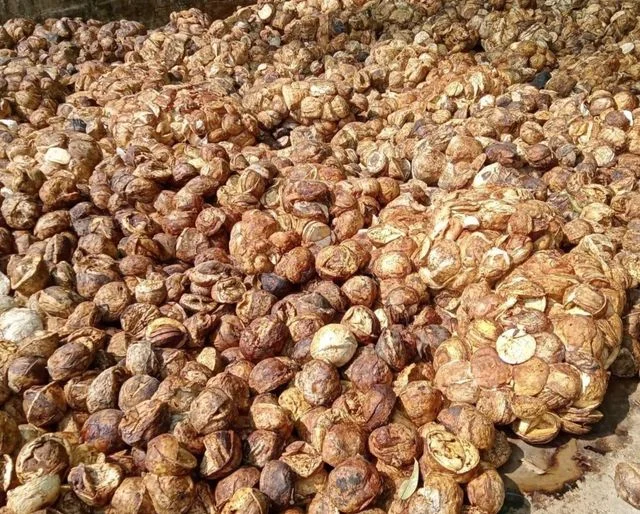
Cup Lump Natural Rubber is a field-grade form of natural rubber obtained through the natural coagulation of latex collected in small containers or “cups” attached to rubber trees. As latex drips from the Hevea brasiliensis tree, it coagulates over time, forming a solid mass that is later collected by farmers. This raw, unprocessed rubber is referred to as “cup lump.”
Cup lump is a primary raw material used in the production of Technically Specified Rubber (TSR) grades such as TSR 10 and TSR 20. It is also used for the production of Field Air-Dried Block Rubber (FAB). Cup lump plays a crucial role in the natural rubber supply chain, especially in regions like Southeast Asia and West Africa, where large-scale rubber plantations and smallholder farming are common.
🌱 Why Cup Lump Matters
Cup lump is a sustainable and renewable raw material. Sourced from natural tree latex, it represents one of the most eco-friendly materials in the global rubber industry. It supports millions of smallholder farmers and plantation workers around the world.
For processors, cup lump offers a cost-effective input that can be graded, cleaned, and refined into high-demand rubber products. Its availability and quality directly affect the supply and pricing of block rubber on global markets.
Cup lump rubber is not used directly in manufacturing but is an essential feedstock for rubber processors and factories that convert it into block rubber or crepe rubber. Common applications of its processed forms include:
- Tyres and Tubes
- Industrial Hoses and Belts
- Footwear Soles
- Rubber Gaskets and Seals
- Automotive Parts
- Conveyor Belts and Rubber Sheets