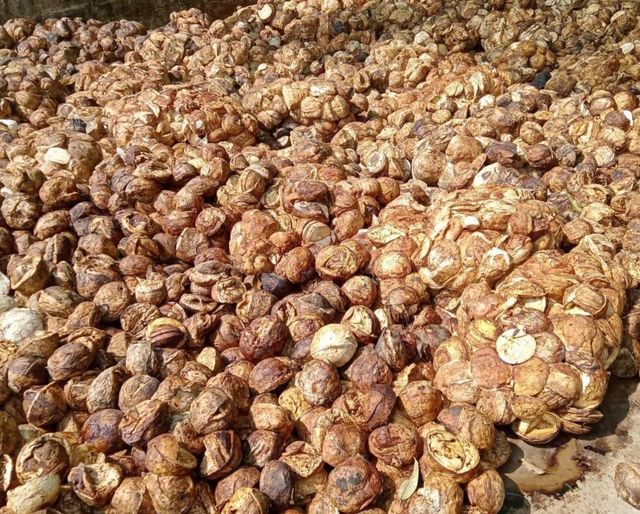
Natural Rubber is a versatile and sustainable raw material derived from the latex of the Hevea brasiliensis tree. With exceptional elasticity, tensile strength, and abrasion resistance, it remains a key component in a wide range of industries including automotive, industrial manufacturing, and consumer goods. Unlike synthetic alternatives, natural rubber offers superior performance in dynamic applications and is also biodegradable, making it an environmentally responsible choice.
We specialize in the supply of high-quality natural rubber in multiple industry-standard grades, including:
Our natural rubber products are sourced responsibly and meet international quality standards. We cater to manufacturers, exporters, and distributors looking for consistent quality, timely delivery, and competitive pricing.
Whether you’re producing tyres, industrial parts, or consumer goods, our range of natural rubber grades are designed to meet your specific production requirements. We also offer tailored packaging, logistics support, and documentation (including VAT invoices and quality certifications) to streamline your procurement process.
TSR 10, recognized as Technically Specified Rubber 10, adheres to stringent grading based on exact technical parameters. These parameters involve aspects such as dirt content, ash content, nitrogen content, volatile matter, Wallace Plasticity (PO), and its Plasticity Retention Index (PRI).
Rubber-producing nations maintain their own TSR standards in alignment with the international ISO standard. For example, Thailand adopts the STR designation, while Indonesia and Malaysia use the SIR and SMR designations, respectively.
Distinguished by its precise production standards, TSR 10 offers consistent quality, making it a dependable choice for industries and manufacturers. The properties of TSR 10 closely align with those of RSS-3. However, there are specific advantages TSR 10 holds over RSS grades.
Benefits of TSR 10:
For comparisons and alternative options, you might consider exploring other grades such as TSR 20 and TSR 10 CV.
Applications of TSR 10:
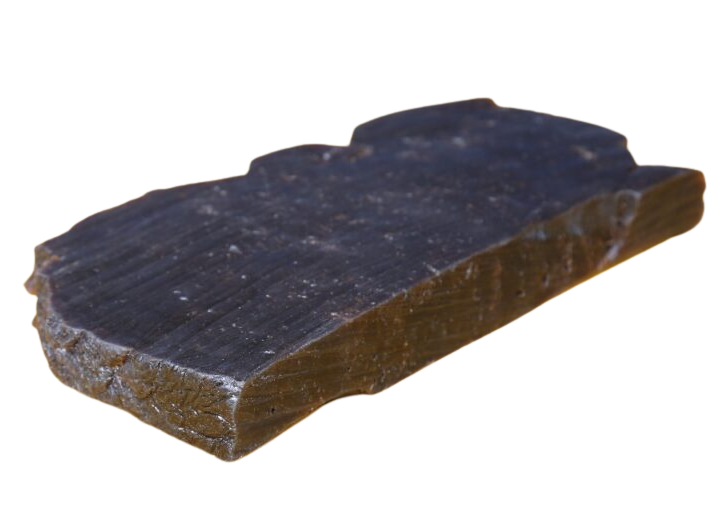
TSR 20 or Technically Specified Rubber 20, is categorized based on strict technical parameters. This grading incorporates criteria such as dirt content, ash content, nitrogen content, volatile matter, Wallace Plasticity (PO), and its Plasticity Retention Index (PRI).
Various rubber-producing countries establish their own TSR standards, in alignment with the global ISO standard. For instance, Thailand uses the STR system, while Indonesia and Malaysia employ the SIR and SMR systems, respectively.
With rigorous production standards, TSR 20 offers a consistent level of quality, ensuring reliability for industries and manufacturers. TSR 20’s is positioned as an efficient material for various applications.
Benefits & Features of TSR 20:
Applications of TSR 20:
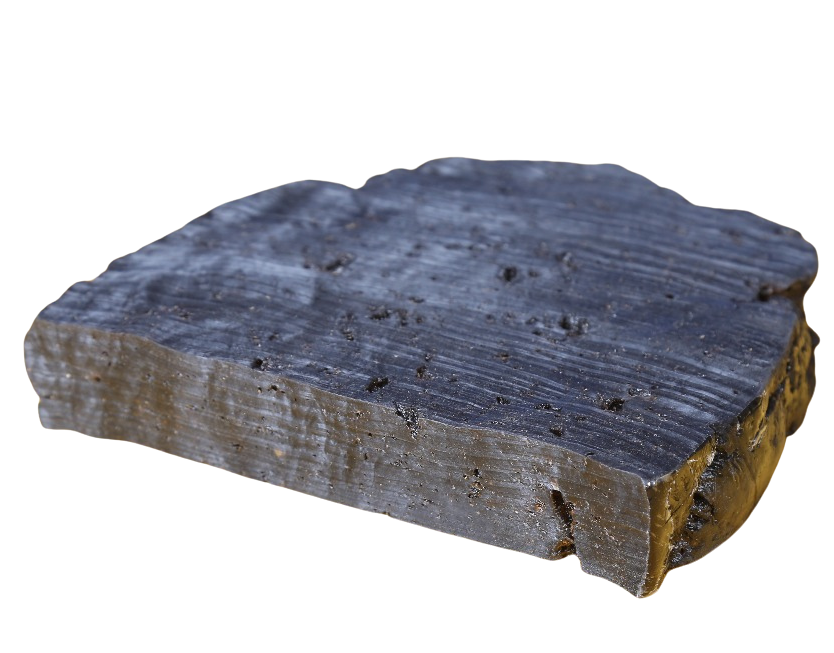
FAB 3X is a field-grade, air-dried block rubber derived from naturally coagulated latex collected from rubber plantations. It is an economical and practical choice for manufacturers seeking a cost-effective raw material for general-purpose rubber products. Unlike technically specified rubber (TSR), FAB 3X is processed with minimal mechanical intervention, making it more affordable while still offering reliable performance for less demanding applications.
FAB 3X is air-dried and block-pressed, typically packaged in bales for ease of handling and transportation. Though it contains a higher level of natural impurities compared to TSR grades, it remains a suitable material for industries where ultra-high purity is not essential.
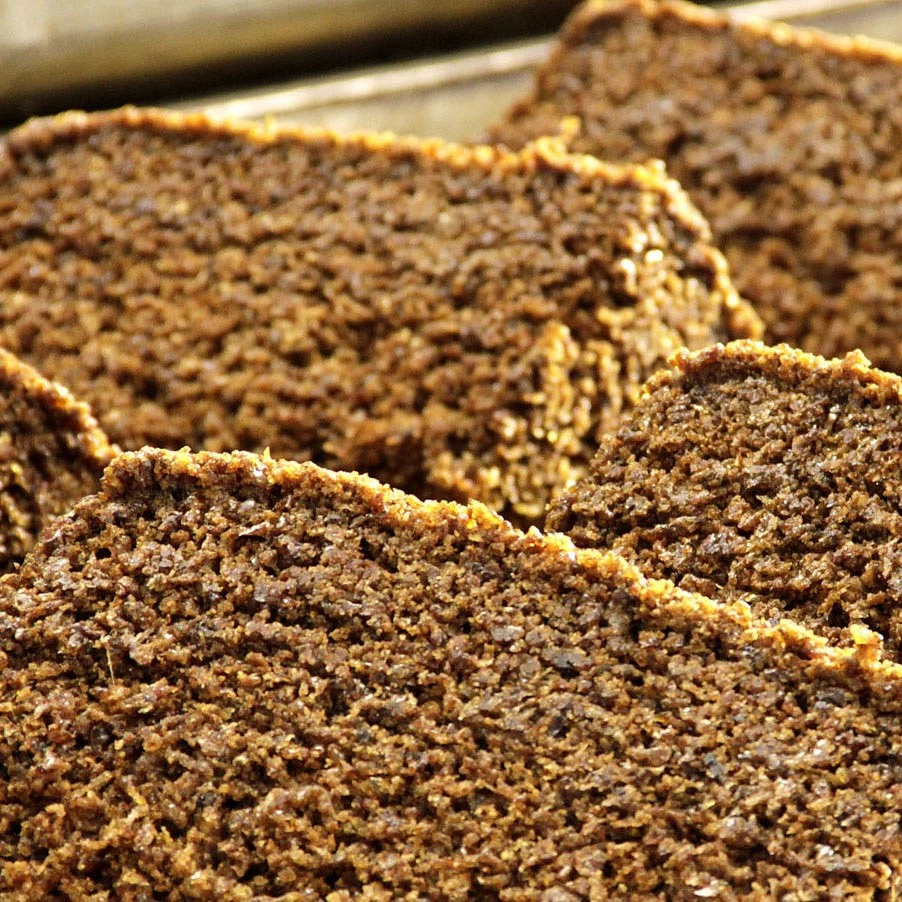
RSS (Ribbed Smoked Sheet) is a premium grade of natural rubber manufactured from high-quality latex through a specialized coagulation and smoking process. The rubber is formed into thin sheets with distinctive ribbed patterns that aid in drying and handling. RSS rubber is graded from RSS 1 (highest quality) to RSS 5 based on visual appearance, cleanliness, and absence of impurities.
The smoking process gives RSS rubber its characteristic amber color and preservative properties, making it highly suitable for demanding industrial applications. Producers in different countries maintain their own quality standards while following international guidelines, ensuring consistent quality across global markets.
Distinguishing Features and Benefits of RSS Rubber:
Applications of RSS Rubber:
Given RSS rubber’s superior quality and consistent properties, it is engineered for applications that demand the highest standards of performance, durability, and reliability. Primary applications include:
To understand the differences between various RSS grades and to explore alternatives, one might consider examining other natural rubber specifications and their respective quality standards.
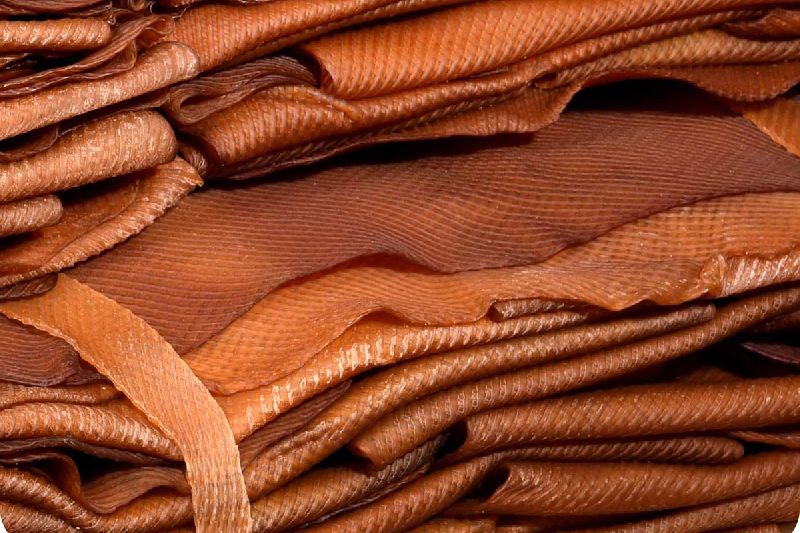
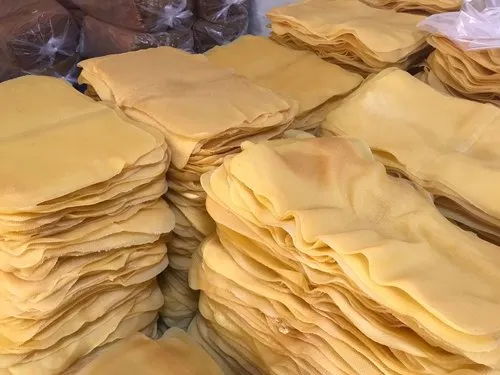
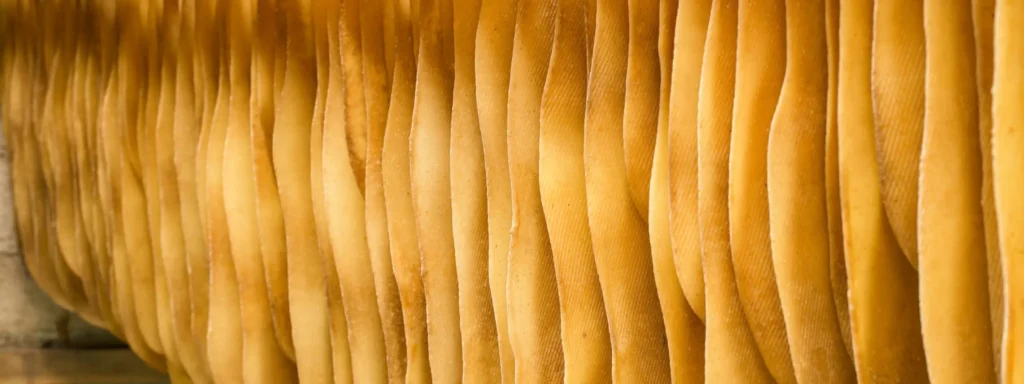
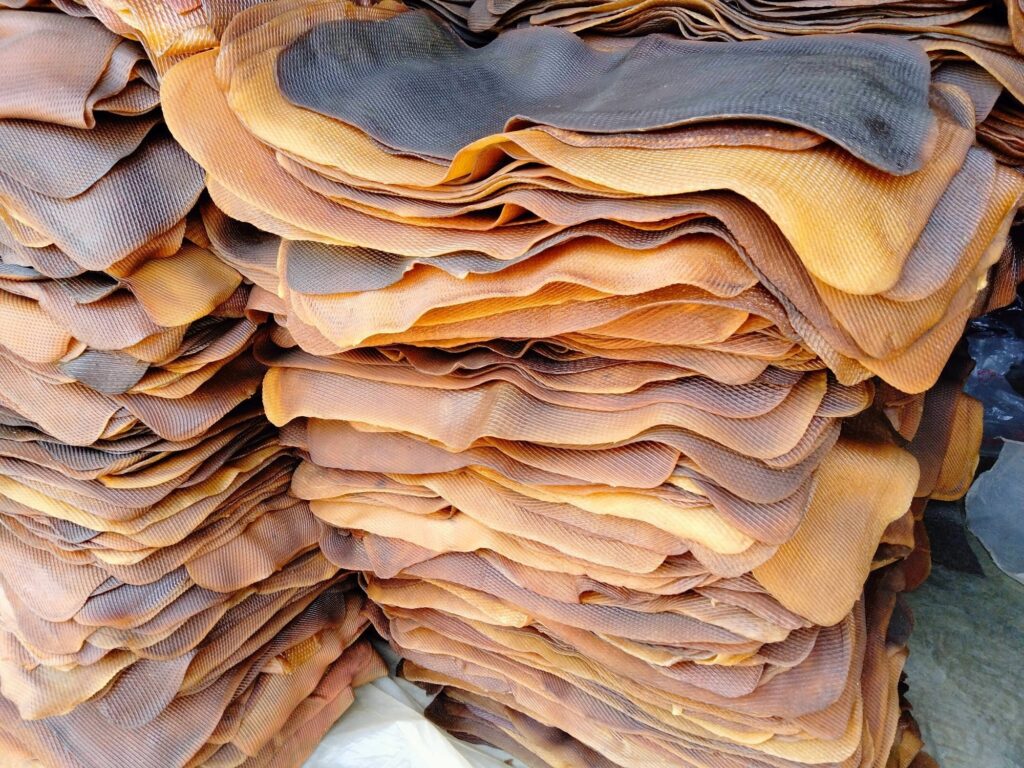
Raw, Unprocessed Natural Rubber for Industrial Processing
Cup Lump Natural Rubber is a field-grade form of natural rubber obtained through the natural coagulation of latex collected in small containers or “cups” attached to rubber trees. As latex drips from the Hevea brasiliensis tree, it coagulates over time, forming a solid mass that is later collected by farmers. This raw, unprocessed rubber is referred to as “cup lump.”
Cup lump is a primary raw material used in the production of Technically Specified Rubber (TSR) grades such as TSR 10 and TSR 20. It is also used for the production of Field Air-Dried Block Rubber (FAB). Cup lump plays a crucial role in the natural rubber supply chain, especially in regions like Southeast Asia and West Africa, where large-scale rubber plantations and smallholder farming are common.
🌱 Why Cup Lump Matters
Cup lump is a sustainable and renewable raw material. Sourced from natural tree latex, it represents one of the most eco-friendly materials in the global rubber industry. It supports millions of smallholder farmers and plantation workers around the world.
For processors, cup lump offers a cost-effective input that can be graded, cleaned, and refined into high-demand rubber products. Its availability and quality directly affect the supply and pricing of block rubber on global markets.
Cup lump rubber is not used directly in manufacturing but is an essential feedstock for rubber processors and factories that convert it into block rubber or crepe rubber. Common applications of its processed forms include: